


A103 PID
PID controller for heating applications Ageon’s A103 PID controller provides stability and precision in heating applications, making use of the PID technology to adjust temperature with efficiency and consistency. Fixing options A practical and versatile product! To facilitate the controller’s installation, the Black Line was designed with two set up options: clips and screws. Ideal […]
User guide
Ideal controller for electric egg incubators and hatchers.

Temperature precision through PID control.

Dual-voltage equipment, capable of operating at 110 or 220 Vac.

Compatible with WebFi, Ageon monitoring system equipment.
The A103 PID model is a temperature controller projected for heating hatchers and electric egg incubators. Through a Triac output, the PID control provides greater precision and temperature stability. Furthermore, it has one relay output with a timer function for cyclical events. The A103 PID temperature controller is compatible with WebFi and WebFi Pro for remote online monitoring.
This model is part of the Black Line, A103 PID has six buttons and can be mounted with screws or clips.
Power supply voltage: (110 or 220) Vac or (85 ~ 264) Vac;
Rated power: 2 VA;
TRIAC output: 2 A / 250 Vac – 400 W / 220 Vac or 200 W / 110 Vac;
Relay output: ½ HP (10 A / 250 Vac);
Measurement range: (-50 to +100) °C;
Resolution: 0.1 °C from (-50 to +100) ºC;
Operating conditions: (0 to 40) °C and (10 to 80) %RH (noncondensing);
Panel cutout: (70 x 29) mm (± 5%);
Protection index: Front panel (IP65); NTC Sensor (IP68);
NTC sensor: Ø6 mm / L=15 mm (sensor); Standard length 1,5 m (wiring).
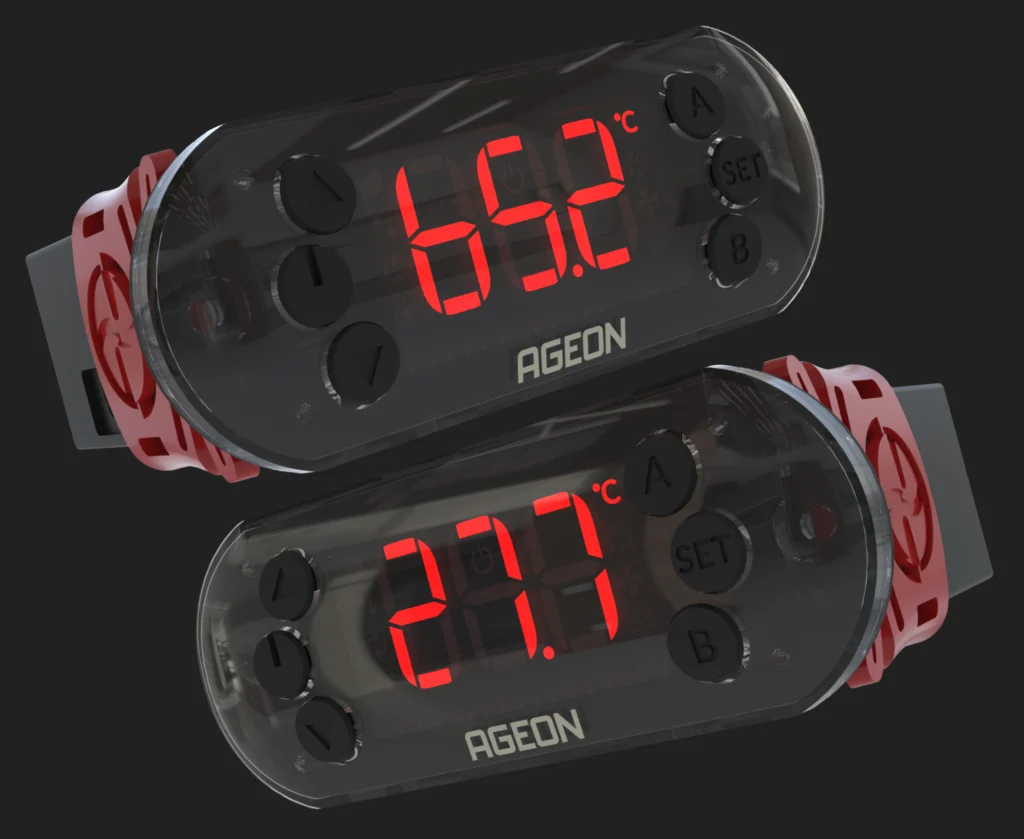
PID controller for heating applications
Ageon’s A103 PID controller provides stability and precision in heating applications, making use of the PID technology to adjust temperature with efficiency and consistency.
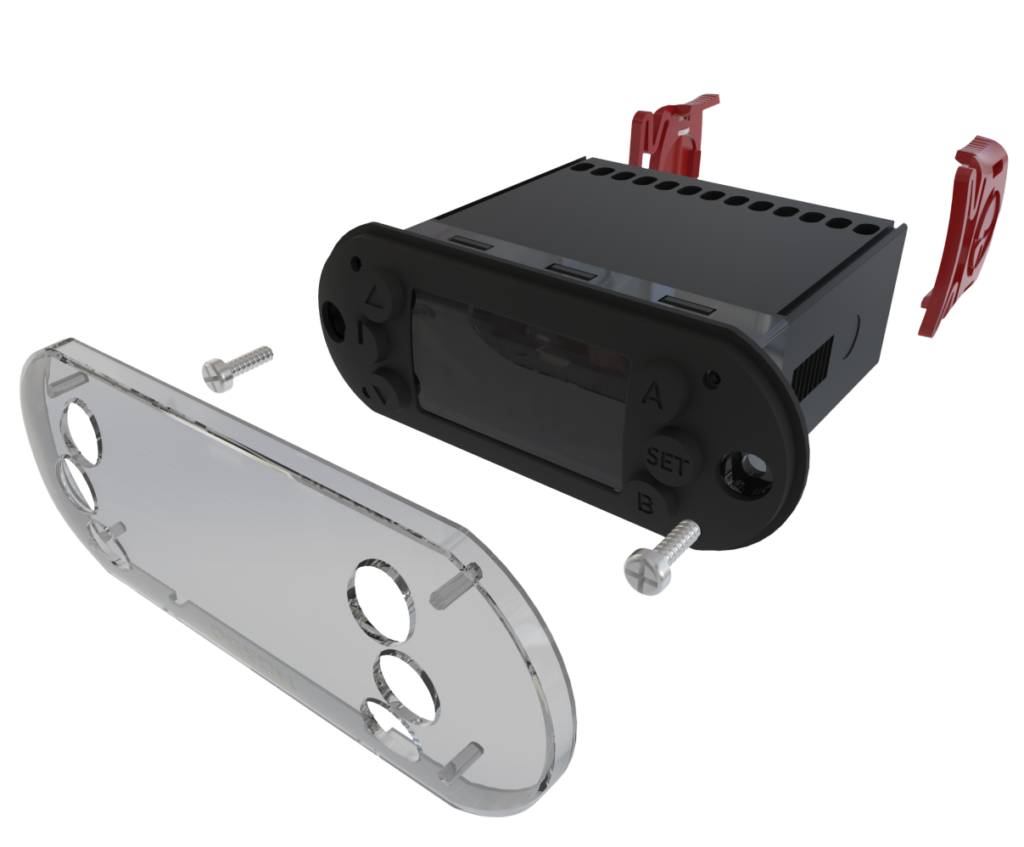
Fixing options
A practical and versatile product! To facilitate the controller’s installation, the Black Line was designed with two set up options: clips and screws.
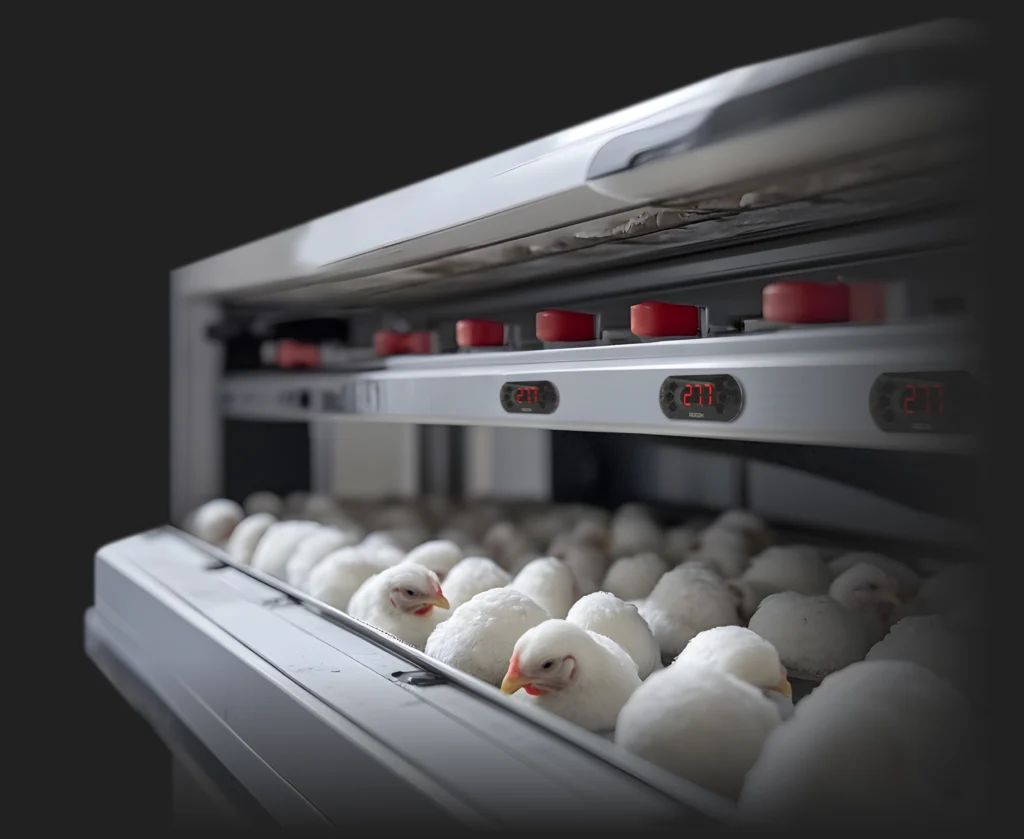
Ideal for hatchers and electric egg incubators
The precision in temperature control and the relay output with a timer for cyclical events make A103 PID the ideal controller for hatchers and electric egg incubators.
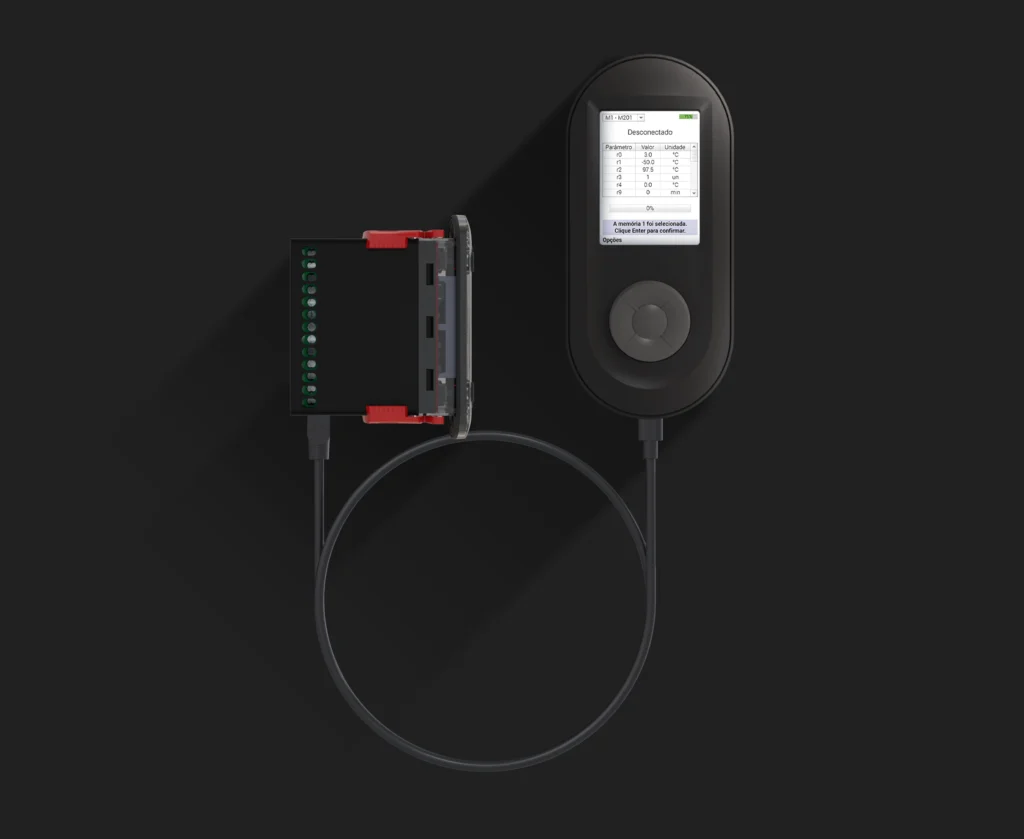
Quick configuring with FastKey
How long does it take to configure multiple controllers? With FastKey, just a blink of an eye! FastKey copies the settings from an already configured controller and efficiently replicates them onto others with ease and convenience.
Remote monitoring with WebFi
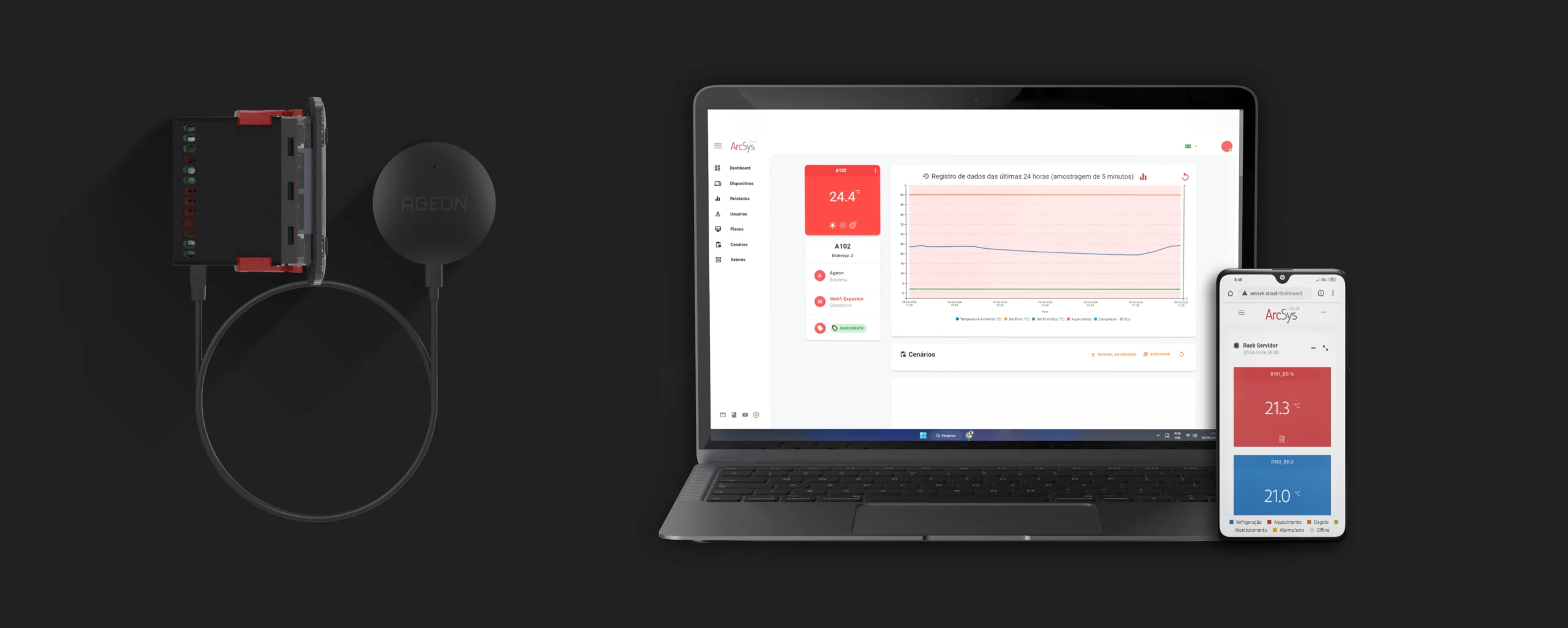
Ageon’s monitoring system, WebFi, enables you to remotely monitor your Black Line controller via email alerts. It’s easy to configure and eliminates the need for a computer to be connected to the device for it to perform its function.
Frequently asked questions
Yes, A103 PID keeps all of its configuration and parameters.
To change the temperature setpoint on the A103 PID controller, press and hold the SET key and use the Up and Down arrows to adjust the value. Once the desired value is reached, release the SET key to confirm the new setpoint.
To adjust the egg turning interval on the A103 PID:
• Press and hold the Up and Down keys simultaneously until “Cd” appears on the display.
• Press and hold the SET key and use the arrow keys to navigate to value 28.
• Access parameters d1 (time with the turning motor stopped) and d2 (time with the turning motor activated).
• To adjust a parameter, press and hold the SET key and change the values using the arrow keys.
The value of d1 is set in minutes.
The value of d2 is set in seconds.
Refer to the manual for more details or contact technical support if necessary.
The difference between the temperature measured by the A103 PID and the value indicated by a thermometer may be caused by several factors, such as sensor calibration or the position of the measuring devices. Ensure that the measurement is taken at the same point as the A103 PID sensor. If this is the case, the sensor can be calibrated using parameter r4. If you have any questions about this procedure, please contact technical support.